



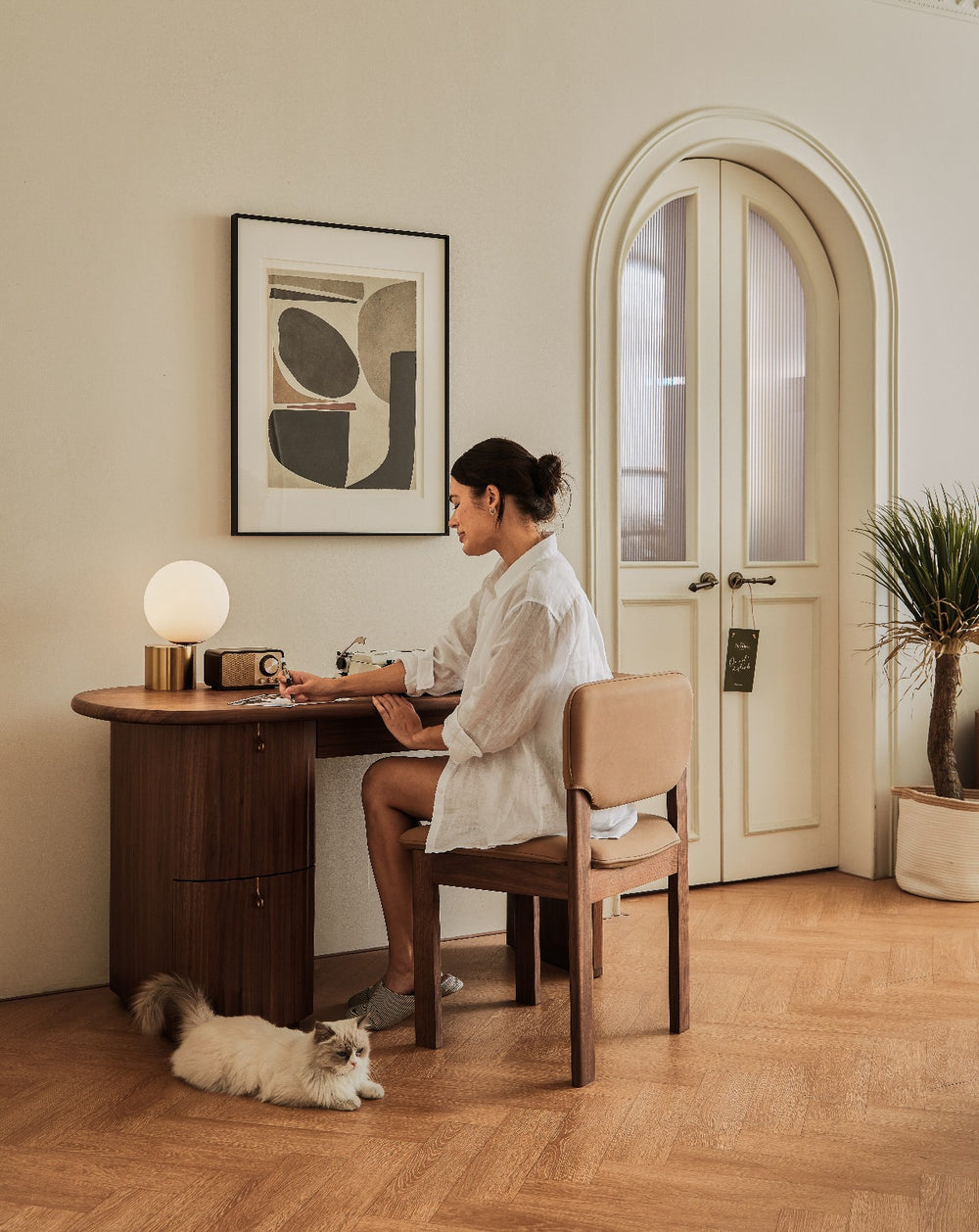
Furniture Dupes Are Everywhere in Malaysia. But Here’s What You’re Really Buying.
Search “designer furniture dupes” and you’ll find it everywhere.
Sofas that look like luxury pieces—for a fraction of the price.
Dining tables that mirror high-end designs—without the wait.
It’s fast. It’s accessible. It’s tempting.
But here’s what rarely gets mentioned:
A dupe gives you the look. Not the design.
Quick Answer
What Are Furniture Dupes?
Furniture dupes are affordable pieces designed to mimic the look of high-end or designer furniture without copying branding. While they offer a similar aesthetic, they often differ in material quality, durability, and craftsmanship.
Are Furniture Dupes Worth It?
Furniture dupes can work for short-term or budget-conscious setups, but they typically lack long-term durability and may require replacement sooner than well-built, original designs.
What’s the Difference Between a Dupe and a Counterfeit?
A dupe mimics the appearance without copying trademarks, while a counterfeit illegally replicates branded products.
What Is Driving the Furniture Dupe Trend in Malaysia?
The rise of dupes is closely tied to:
- Social media aesthetics (TikTok, Instagram, Pinterest)
- Demand for “luxury for less”
- Faster production cycles in furniture manufacturing
Design publications have long discussed the rise of dupe furniture in home design, especially as iconic pieces continue to be reinterpreted for mass-market appeal.
👉 https://www.architecturaldigest.com/story/how-to-spot-a-dupe-vintage-furniture
Because once something becomes recognisable—it becomes replicable.

Dupes Sell the Silhouette—Not the Craft
At a glance, a dupe can look identical.
But what you don’t see is where the difference lies.
“Details are not details; they make the product.” — Charles Eames
Original furniture is built on:
- Material integrity
- Joinery techniques
- Structural strength
- Long-term usability
Dupes prioritise:
- Visual similarity
- Lower cost
- Faster production
Same silhouette.
Very different outcome.
Why Dupes Often Don’t Last (Especially in Malaysia)
In tropical climates like Malaysia, material quality matters even more.
Heat and humidity can accelerate:
- Warping in low-grade wood
- Peeling veneers
- Fabric wear and tear
Many experts note that are furniture dupes worth it is a growing question, as lower-cost alternatives often compromise on durability and long-term value.
👉 https://www.realsimple.com/are-furniture-dupes-worth-it-8682007
If you’re furnishing for everyday living, materials matter—which is why investing in performance fabric sofas designed for durability can make a noticeable difference over time.
👉 https://www.thecommunelife.com.my/collections/all-fabric-leather-sofas
What looks good on day one can feel very different a year later.
Authenticity Isn’t About Price. It’s About Intent
Well-designed furniture isn’t expensive by accident.
It’s built with intention.
From material sourcing to construction, every detail is considered to ensure longevity—not just appearance.
For homeowners in Malaysia, where homes range from urban condominiums to larger landed spaces, choosing space-saving furniture solutions that are also well-built can balance both form and function.
👉 https://www.thecommunelife.com.my/collections/all-storage-cabinets
Dupes skip this process entirely.
They’re designed to look right. Not to last.

The Hidden Cost of “Affordable” Furniture
At first glance, dupes feel like a smart buy.
But over time:
- Repairs add up
- Comfort declines
- Replacement happens sooner
If you’re planning for long-term living, consider pieces that offer both function and durability—such as storage beds for modern homes that maximise space without compromising build quality.
Because the real cost of furniture isn’t just the price tag. It’s how long it lasts.
Why People Still Buy Dupes (And When It Makes Sense)
Dupes aren’t always the wrong choice.
They can work for:
- Temporary spaces
- Styling purposes
- Budget constraints
But they shouldn’t form the foundation of your home.
What to Choose Instead of Furniture Dupes
1. Invest in key pieces
Focus on:
- Sofa
- Bed
- Dining table
These are used daily—and should be built to last.
Explore modern sofas designed for everyday living in Malaysia that prioritise both comfort and durability.
👉 https://www.thecommunelife.com.my/collections/all-fabric-leather-sofas

2. Mix quality with flexibility
Pair investment pieces with:
- Affordable decor
- Textiles
- Accessories
3. Choose original design over imitation
You don’t need to replicate good design
when you can invest in pieces created with intention.
4. Consider vintage over replicas
Design experts often highlight that why vintage furniture is better than replicas comes down to craftsmanship, durability, and character that mass-produced furniture cannot replicate.
👉 https://www.veranda.com/decorating-ideas/a70783869/things-you-should-always-buy-vintage/
Because real design ages well. Imitation doesn’t.
The Bottom Line
Dupes are easy.
Good design isn’t.
“A designer has a duty to create timeless design.” — Philippe Starck
Dupes may capture the outline of a design, but rarely its intent. And in homes meant to be lived in—not just styled—that difference becomes clearer over time.
So what are you really bringing into your home—an image, or something built to last?
FAQ: Furniture Dupes in Malaysia
Are furniture dupes worth it in Malaysia?
They can work short-term, but Malaysia’s humid climate can accelerate wear in lower-quality materials, making durability an important consideration.
What is a furniture dupe?
A furniture dupe is a product designed to resemble a high-end piece while using different materials and construction methods.
Why is quality furniture more expensive?
Higher-quality furniture reflects better materials, craftsmanship, and durability—resulting in longer lifespan and better value over time.
Is it better to buy vintage furniture instead of dupes?
Yes. Vintage furniture often offers stronger construction, unique character, and better long-term value.
How can I tell if furniture is low quality?
Look for:
- Lightweight construction
- Stapled or glued joints
- Thin veneers
- Lack of material transparency


